Home electrical safety basics
Electricity is useful, but it can hurt you fast. If something smells hot, sparks, shocks you, or starts smoking, stop using that circuit and call a licensed electrician now, or 911 if there is smoke or fire.
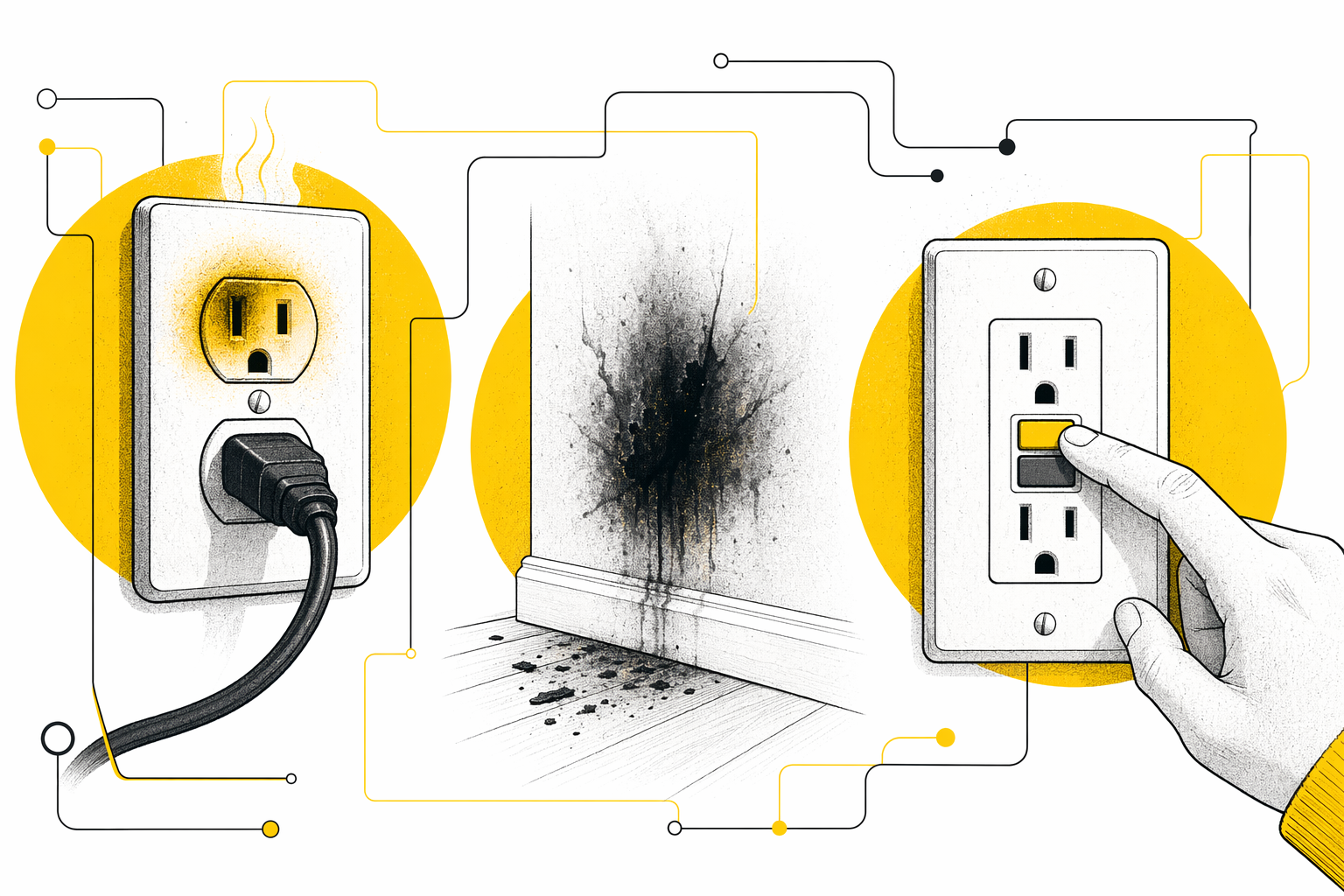
Start with one rule: do not do electrical work yourself
Electrical work is dangerous and regulated. Do not open the panel, swap breakers, replace wiring, or try a quick fix yourself. Even small-looking problems can have hidden fire risk behind the wall or inside the panel.
A safe homeowner response is usually simple:
- Stop using the outlet, switch, light, or circuit that seems wrong.
- If you can do it without touching damaged equipment, unplug what is connected.
- Keep children away from the area.
- Call a licensed, insured, and bonded electrician.
- Verify the license yourself before hiring. This guide can help: how to check an electrician license.
VoltGuide is a free matching service. We help you compare licensed electricians. You choose who to hire. If you want help now, start here: get matched.
Know the warning signs that mean "stop using it"
Some electrical problems are annoying. Some are urgent. The hard part is knowing the difference. If you notice any of these signs, stop using that circuit until a licensed electrician checks it:
- A burning smell, especially near an outlet, switch, panel, or appliance
- Smoke, scorching, melted plastic, or a warm faceplate
- Sparks coming from an outlet, switch, cord, or panel
- A shock or tingle when you touch a switch, outlet, appliance, or metal cover
- Breakers that trip again and again
- Lights that dim badly when a large appliance starts
- Buzzing, crackling, or humming from the wall, outlet, switch, or panel
- Outlets that are loose, dead, or only work sometimes
- Extension cords being used as a long-term solution
- Water near electrical equipment
Stop-everything emergency:
1. If there is smoke or fire, call 911.
2. If you can do so safely, move people away from the area.
3. Do not touch burned, wet, or sparking equipment.
4. After emergency help is on the way, call a licensed electrician to inspect and repair the problem.
For more general safety reminders, see electrical safety basics.
Common home situations that create risk
A lot of home electrical trouble starts with normal life. A new appliance. An older panel. One too many power strips. Here are common situations that deserve extra caution.
Older homes
Older wiring, old panels, two-prong outlets, missing grounding, or worn connections can raise the risk of shock and fire. If your home is older and has frequent electrical issues, ask a licensed electrician whether part of the home needs evaluation or even rewiring.
Too much on one circuit
Space heaters, microwaves, air fryers, window AC units, hair tools, and portable EV charging can overload a circuit. If a breaker trips when certain items run together, that is a warning sign, not just an inconvenience.
Panels with no room left
If your panel is full, labeled poorly, feels hot, or trips often, do not try to rearrange breakers yourself. A licensed electrician can tell you whether repair or a panel upgrade makes sense.
Bathrooms, kitchens, garages, basements, outdoors
These places often need special protection because of water, concrete floors, and weather exposure. Outlets in these areas should be evaluated by a licensed electrician if they do not work right, feel loose, or trip often.
DIY leftovers from a past owner
Handy-looking work can still be unsafe. Common red flags include mismatched outlet types, paint on outlets, covers that do not sit flat, dangling junctions, or switches that do strange things. If something feels improvised, have it checked.
What to do if you notice a problem
You do not need to diagnose the wiring. You just need to react safely and document what you see.
- Stop using the affected circuit or device. Do not keep testing it.
- Write down the symptoms. Example: "Kitchen outlet sparked when toaster plugged in" or "Breaker trips every time dryer and microwave run together."
- Take photos only if it is safe. Do not remove covers. Do not touch the panel interior.
- Call a licensed, insured, and bonded electrician. For urgent issues, ask if they handle emergency electrical.
- Ask what permits may be required. Rules vary by area. This guide explains the basics: electrical permits explained.
- Get the scope and price in writing before any deposit. Make sure it lists what is included, what may change the price, and who handles permits.
- Verify the license yourself. Do not skip this step, even if someone was recommended by a neighbor.
Typical costs are estimates, not quotes. Electricians often charge about $50-$130 per hour or a flat rate per job. A service call often runs about $120-$400. The real price depends on the panel, the wiring, the scope, the materials, permits, and your area.
If you are comparing options, remember: you compare quotes, you choose who to hire, and you hold the final payment until the job is complete as agreed.
Mistakes homeowners make that can get expensive or dangerous
Most people are trying to save time or money. That is understandable. But some shortcuts can go very wrong.
- Ignoring a burning smell because the power still works. That is not a wait-and-see issue.
- Resetting the same breaker over and over. A tripping breaker is a warning. Repeated resetting can make things worse.
- Using extension cords as permanent wiring. They are for temporary use, not a long-term home solution.
- Hiring only on the lowest price. A very low number can mean missing permit work, low-quality materials, or a partial fix that does not solve the real problem.
- Paying a large deposit without a written scope. Get the work details and price in writing first.
- Assuming handyman work is the same as licensed electrical work. For regulated electrical jobs, hire a licensed electrician.
- Skipping permit questions. Permit and code rules can matter for safety, resale, and insurance.
- Trying internet DIY fixes. Videos cannot see your home, your wiring condition, or your local code.
If you need help comparing electricians, VoltGuide matches homeowners with participating electricians at no cost to the homeowner. Participating electricians pay a flat fee to be included. You stay in control of the hiring decision.
Your next safe step
If your home has repeated tripping, hot outlets, flickering that is getting worse, buzzing, shocks, or signs of old or overloaded wiring, do not wait for a bigger problem.
A good next step is simple:
- Gather the address and a short description of the problem
- Note when it happens and what was running
- Ask for a written scope, timeline, and estimated price range
- Confirm the electrician is licensed, insured, and bonded
- Verify the license yourself
VoltGuide can help you connect with licensed electricians in your area for free. Start here: get matched.
If you want a broader checklist before hiring, read hiring an electrician guide.
If you smell burning, see sparks or smoke, get shocked, or keep losing power on one circuit, stop using it and call a licensed electrician right away. Do not try to fix wiring or open the panel yourself. Verify the electrician’s license, get the scope and price in writing, and compare your options before you hire.