Hiring an Electrician as a New US Homeowner
If you are new to owning a home in the US, hiring an electrician can feel confusing fast. VoltGuide helps you understand the process, compare licensed electricians, and choose the right pro at no cost to you.
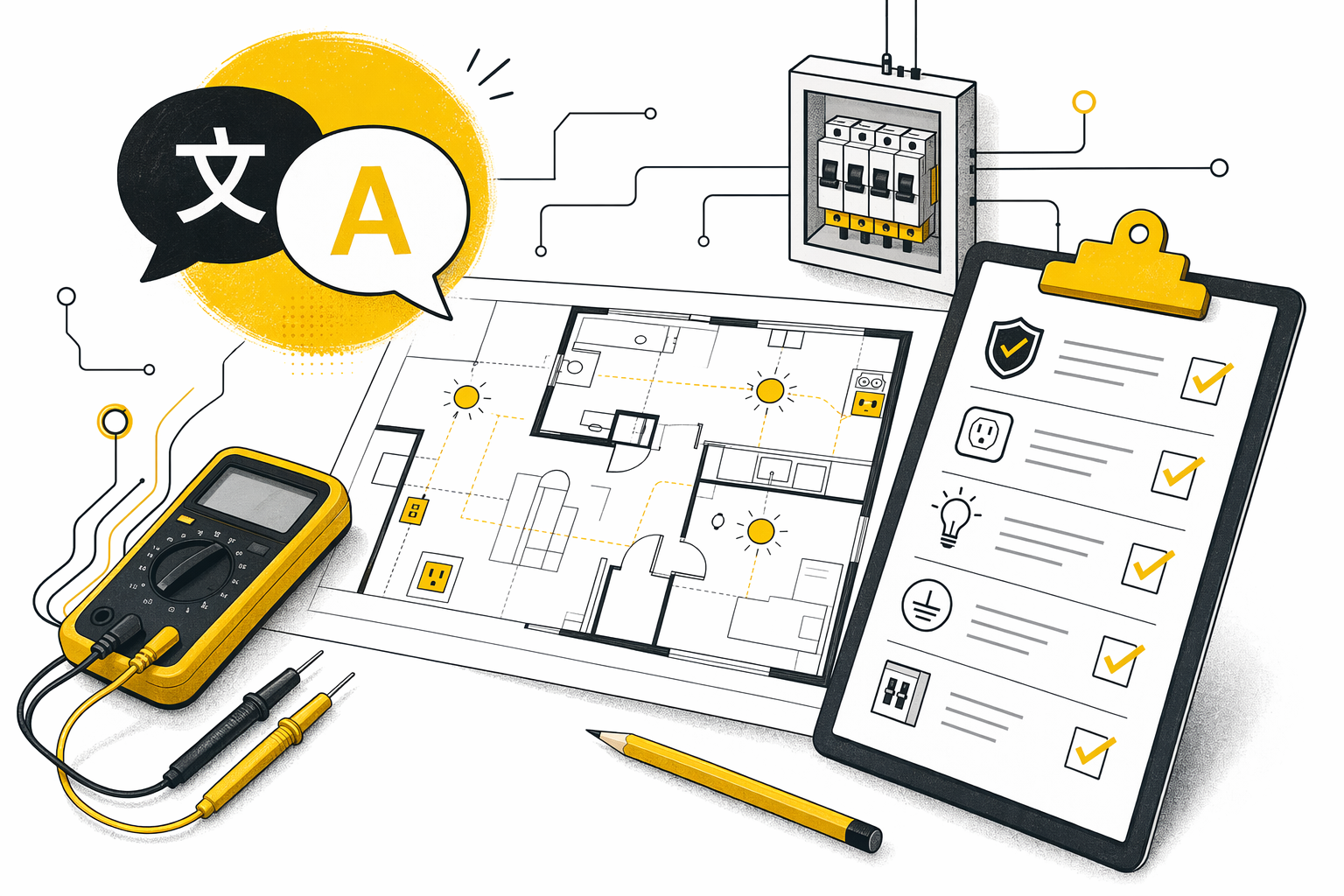
Start with safety and the right kind of help
Electrical work in the US is licensed, regulated, and potentially dangerous. If something feels wrong, do not try to fix wiring yourself. Hire a licensed, insured, and bonded electrician.
If you notice a burning smell, smoke, sparks, a hot panel, or shocks, stop using that circuit right away and call a licensed electrician now. If there is smoke or fire, call 911.
Many new homeowners are surprised by how strict electrical rules can be. In many areas, even small jobs may need permit rules, inspections, or code compliance. That is one reason it is smart to ask questions early and get the scope in writing.
A good first step is to learn the basics of hiring and safety, then compare local pros. See how to hire an electrician and electrical safety basics.
VoltGuide is a free matching service. We do not perform electrical work. We help you connect with electricians so you can compare quotes, ask questions, and choose who to hire.
What to look for when comparing electricians
Not every electrician is the right fit for every job. A person who is great at service calls may not be the best fit for a panel upgrade, EV charger install, or old-home rewiring.
Use this checklist when you talk to electricians:
- Verify the license yourself. Do not rely only on a business card or truck logo. Check state or local records. Here is a guide on how to check an electrician license.
- Confirm they are insured and bonded.
- Ask whether they handle your type of work often, such as troubleshooting, panel work, rewiring, or EV charging.
- Ask whether permits are needed and who will pull them. Follow local rules and code.
- Ask what is included in the price: labor, materials, permit fees, patching, disposal, and inspection coordination.
- Ask how they charge: hourly or flat-rate.
- Get the scope and price in writing before any deposit.
- Ask about timeline, access needs, and whether power must be shut off.
If an electrician seems vague about permits, rushes you to pay, or will not put details in writing, that is a red flag.
For bigger jobs, ask a few extra questions:
- Will they inspect the existing panel and wiring first?
- Will they explain what is required now versus optional upgrades?
- Will they note any code issues they see?
- Will they provide a written scope so you can compare one bid to another fairly?
This matters because two prices that look far apart may not include the same work.
Honest cost ranges new homeowners should expect
Electrical pricing can feel all over the place. That is normal. These are typical ranges and estimates, not quotes or guarantees. The real price depends on the panel, the wiring, the scope, the materials, permits, and your area.
Common ranges homeowners see:
- Service call: $120-$400
- Install or move an outlet: $150-$350
- Whole-house surge protector: $250-$500
- Level 2 EV charger install: $600-$2,200
- Panel upgrade to 200A: $1,800-$4,500
- Whole-house rewire: $8,000-$25,000+
- Labor rates: often $50-$130 per hour, or a flat rate per job
A low price is not always a bargain. It may leave out permit costs, wall repair, panel corrections, grounding work, or enough labor time to do the job correctly.
Here is where costs often rise:
- Older homes with outdated or damaged wiring
- Full panels or brands that are hard to work with
- Long wire runs or difficult access
- Garage, basement, or exterior installations
- Local permit and inspection requirements
- Emergency or after-hours service
If you think you may need a larger job, these guides can help you understand the scope before you compare estimates: panel upgrades and rewiring.
The smart move is simple: get more than one written estimate when the job is not urgent, compare the same scope, and ask what is not included.
How to avoid getting burned
New homeowners, especially people who are still learning how US contractors work, often run into the same problems. Most of them are avoidable.
Watch out for these situations:
- Someone offers to do panel or wiring work with no license
- The price is given only by text with no written scope
- You are asked for a large deposit before materials or permits are discussed
- The electrician says a permit is "not needed" without explaining local rules
- You feel pressure to decide immediately on non-emergency work
Protect yourself with a few simple habits:
- Verify the license yourself.
- Get the price and scope in writing before any deposit.
- Make sure the electrician is licensed, insured, and bonded.
- Ask who handles permits and inspections.
- Keep your own copies of messages, estimates, and receipts.
- Hold final payment until the agreed work is complete.
You do not need to know electrical code to ask good questions. You only need clear answers. A professional should be able to explain the job in plain language.
If permit rules are confusing, read electrical permits explained.
A simple next step if you are not sure where to begin
If you are dealing with flickering lights, dead outlets, an old panel, a new appliance, or a home you just bought, start by describing the problem clearly.
Helpful details to share:
- What you are seeing or hearing
- When it started
- Whether one room or multiple rooms are affected
- The age of the home, if you know it
- Whether this is urgent
- Photos of the panel, outlet, or affected area if safe to take from the outside only
Then compare local electricians. With VoltGuide, matching is free to the homeowner. Participating electricians pay a flat fee to be listed for matching. That means you can focus on the job details, the written scope, and who makes you feel informed and respected.
If you are ready, start here: get matched. If the issue is urgent, use an emergency specialist page first: emergency electrical.
The goal is not just to find *an* electrician. It is to find a licensed, insured, and bonded electrician who explains the work clearly, follows local rules, and gives you a written price you can compare.
If you are new to US homeownership, do not guess with electrical work. Compare licensed, insured, and bonded electricians, verify the license yourself, get the scope and price in writing, and use VoltGuide to get matched for free.