Licensed Electrician vs Handyman
Some jobs clearly need a licensed electrician. Some small tasks may look simple, but electrical work is regulated, risky, and easy to get wrong. Here is the honest difference so you can hire the right pro and avoid expensive mistakes.
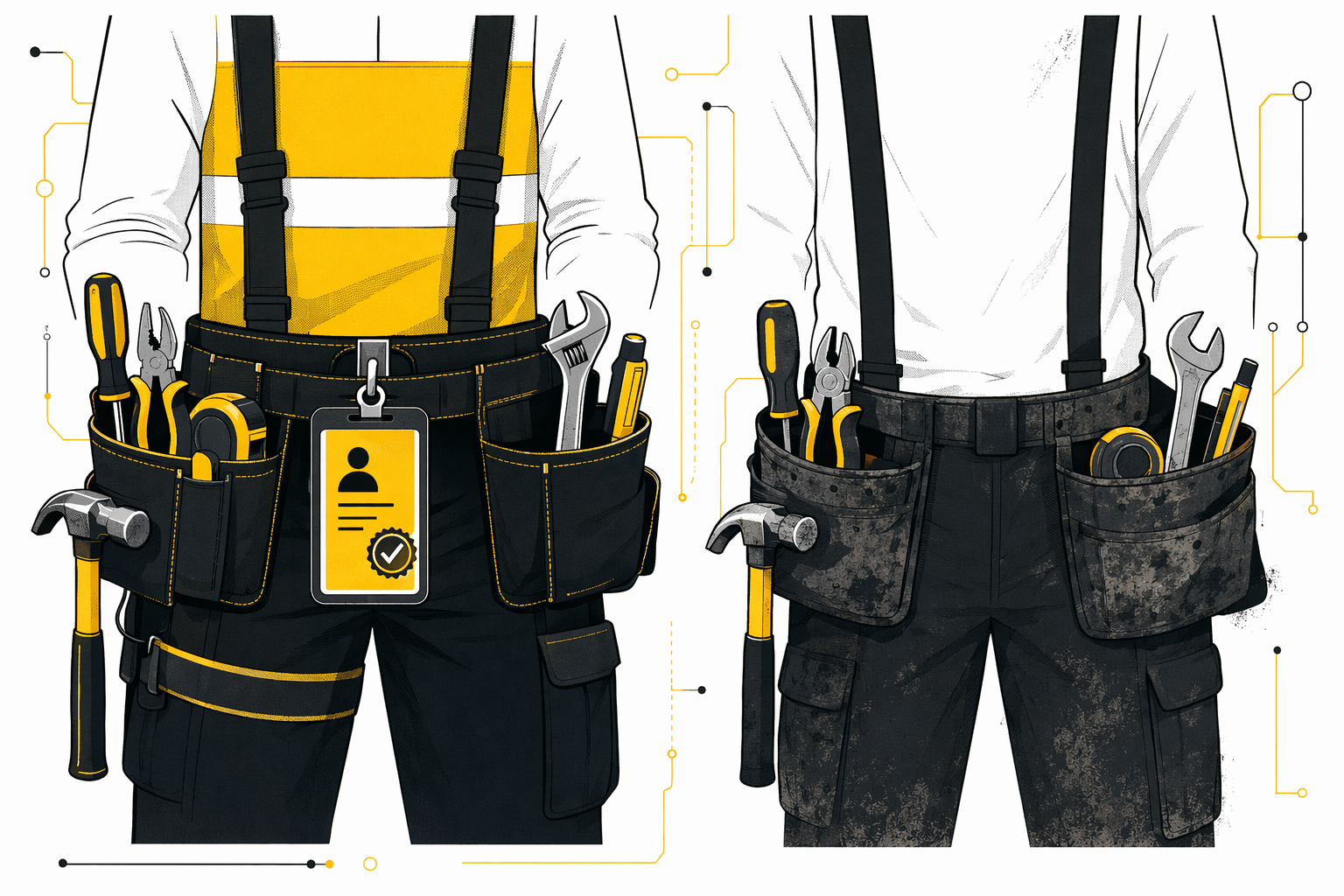
The short answer
If the job involves wiring, the electrical panel, breakers, new circuits, permits, or anything that could affect safety or code, hire a licensed, insured, and bonded electrician.
A handyman may help with general home tasks, but many states and cities do not allow handymen to do electrical work beyond very limited minor tasks, and those rules vary by area. If a person is not properly licensed for the electrical work being done, you can run into failed inspections, insurance problems, unsafe wiring, and costly rework later.
For most homeowners, the safer rule is simple: when electricity is involved, hire a licensed electrician and verify the license yourself. If you are not sure what your job needs, you can start with a free match through VoltGuide and compare options before you hire.
What is the real difference?
Here is the practical comparison homeowners usually care about:
- Licensed electrician
- Trained and licensed for electrical work under local rules
- Can typically diagnose electrical problems
- Can install, replace, or modify wiring, outlets, switches, fixtures, circuits, panels, and service equipment when allowed by local code and permit rules
- More likely to pull permits when needed and work to code requirements
- Better fit for jobs that affect safety, resale, inspections, or insurance
- Handyman
- Usually handles general repair and maintenance work
- May be allowed to do very limited minor tasks in some areas, but rules differ a lot
- Often cannot legally perform many electrical jobs that involve new wiring, circuit changes, panel work, or permits
- May cost less up front for basic labor, but the wrong hire can cost much more if the work must be redone
Typical electrician pricing:
- Service call: $120-$400
- Install or move an outlet: $150-$350
- Whole-house surge protector: $250-$500
- Level 2 EV charger install: $600-$2,200
- Panel upgrade to 200A: $1,800-$4,500
- Whole-house rewire: $8,000-$25,000+ depending on home size
- Many electricians charge $50-$130 per hour or use a flat rate per job
These are typical ranges, not quotes. The real price depends on the panel, the wiring, the scope, the materials, permits, and your area. You can see more examples on our costs page.
Jobs that should go to a licensed electrician
If your project falls into any of these categories, do not gamble on a general handyman.
1. Anything inside the panel
- Breakers
- Main service equipment
- Subpanels
- Service upgrades
2. New or changed wiring
- Adding a new circuit
- Moving outlets or switches
- Rewiring old or damaged wiring
- Fixing aluminum wiring or other known hazards
3. Higher-load equipment
- EV chargers
- Electric dryers or ranges
- Hot tubs
- Large HVAC electrical connections
4. Permitted or inspected work
- Panel upgrades
- Service changes
- Many remodel-related electrical changes
5. Troubleshooting and safety problems
- Breakers tripping often
- Flickering lights in multiple rooms
- Dead outlets with unknown cause
- Warm outlets or switches
- Burning smells, smoke, sparks, or shocks
If you notice burning smells, smoke, sparks, shocks, or signs of fire, stop using the circuit and call a licensed electrician now, or 911 if there is smoke or fire. Do not try to open the panel or fix it yourself. Electrical work is dangerous.
If your home may need bigger work, these guides may help: panel upgrades, rewiring, and emergency electrical.
When homeowners get burned choosing the cheaper option
The problem is not just workmanship. It is also legal responsibility, permits, and who pays when something goes wrong.
Common trouble spots:
- No license to verify. If there is no electrical license, you may have little proof the person was allowed to do the job.
- No permit when one was required. This can create issues during resale, inspection, or an insurance claim. Read electrical permits explained before you assume a permit is not needed.
- Vague scope. Homeowners hear one low number, then find out it did not include drywall cuts, wire upgrades, permit fees, or correcting existing code issues.
- No insurance or bond. If there is damage or an unfinished job, your options may be weaker.
- Small fix turns into a bigger hidden issue. Older homes often have crowded boxes, brittle insulation, undersized circuits, mixed old wiring methods, or overloaded panels.
A cheap price is not a bargain if you pay twice. For anything beyond a truly minor task that your local rules clearly allow, get quotes from licensed electricians, compare the scope line by line, and make sure the work is legal in your city or county.
How to choose the right pro for your job
Use this simple process:
1. Describe the job clearly.
Say what is happening, where, and when it started. Examples: "kitchen outlet stopped working," "need a new 240V circuit for an EV charger," or "panel is full and breakers trip."
2. Ask if the work requires an electrical license and permit in your area.
Do not rely on a verbal "you do not need one." Check local rules and ask for the scope in writing.
3. Verify the electrician's license yourself.
Use your state or local licensing lookup. VoltGuide has a step-by-step guide here: how to check an electrician license.
4. Confirm they are insured and bonded.
Ask for proof, not just a promise.
5. Get the full price and scope in writing before any deposit.
Make sure it lists labor, materials, permit handling, troubleshooting limits, patching expectations, and what could change the final cost.
6. Compare more than price.
Compare who is doing the work, what is included, timeline, permit plan, warranty terms, and whether they explained the problem in plain language.
7. You choose who to hire.
Matching is free to you. You compare quotes, ask questions, and hold the final payment until the agreed work is done.
If you want a faster start, use get matched to hear from licensed, insured, and bonded electricians in your area.
If the job involves wiring, breakers, the panel, new circuits, permits, or any safety issue, hire a licensed, insured, and bonded electrician and verify the license yourself. Get the scope and total price in writing, compare quotes, and do not let anyone do electrical work that your local rules do not allow.